Hillsong Worship’s “Flood” Hits 1 Million YouTube Views: Unpacking The Scriptures Behind Its Powerful Lyrics
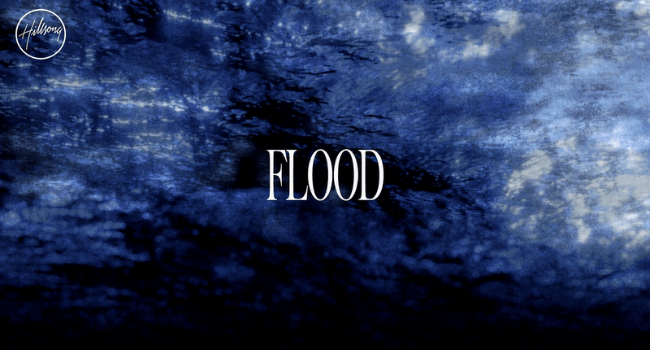
Hillsong Worship’s “Flood” Hits 1 Million YouTube Views: Unpacking The Scriptures Behind Its Powerful Lyrics. Hillsong Worship continues to draw believers into a deeper posture of surrender with “Flood,” a Scripture-inspired worship anthem that weaves biblical promises into melody, inviting the Church to declare God’s Word through heartfelt and unified worship.

Released on October 23, 2026, the song forms part of the group’s forthcoming live album Holy Is the Name. Drawing inspiration from Psalm 23:6, “Flood” explores God’s goodness, faithfulness, mercy and unchanging nature while weaving together powerful themes of creation, redemption, grace and dependence on Him.
Rather than simply borrowing biblical language, the song builds its message around the truth of Scripture. From the Father’s creative hands to the saving power of Jesus and the searching work of the Holy Spirit, every section invites believers to reflect on who God is and respond with wholehearted trust.
Here are ten scriptures that help reveal the biblical foundation behind “Flood.”
1. Psalm 23:6: The Goodness That Follows Us
“Surely your goodness and unfailing love will follow me all the days of my life.”
At the heart of “Flood” is the assurance that God’s goodness and mercy remain with His people through every season. The chorus echoes this promise with the words, “Your faithfulness and mercy follow me all of my days.”
Psalm 23 paints the picture of a Shepherd who never abandons His sheep. Hillsong Worship carries that same assurance into the song, emphasising that God’s love is not limited to favourable circumstances. His goodness continues to pursue us throughout our lives.
2. Genesis 1:27 and Isaiah 64:8: Created in His Image
“So God created mankind in his own image…”
“We are the clay, you are the potter; we are all the work of your hand.”
The opening verse establishes our identity in God through the words, “Father, You drew me from the clay / Creator, in Your image I was made.”
These lyrics bring together two powerful biblical truths. Genesis declares that humanity carries the image of its Creator, while Isaiah describes God as the potter who carefully shapes His people. Our existence and identity are therefore rooted in His intentional design.
3. Psalm 40:2: Lifted Out of the Clay
“He lifted me out of the slimy pit, out of the mud and mire.”
The reference to being drawn from the clay also brings David’s testimony in Psalm 40 to mind. David describes a God who reaches into the mess and lifts His people onto solid ground.
This connection adds another dimension to the opening verse. God is not only the One who created us, but also the One who rescues us. The hands that formed us are the same hands that reach down to restore us.
4. Matthew 6:10: Surrendering to His Will
“Your kingdom come, your will be done, on earth as it is in heaven.”
Throughout the song, the repeated prayers, “Lead me / Let Your will be done” and “Come and have Your way,” reflect the heart of the Lord’s Prayer.
Surrender is a central theme in “Flood.” It is an invitation to lay down personal ambitions and allow God’s purposes to take priority. Much like Jesus taught His disciples to pray, the song encourages believers to desire His will above their own.
5. Psalm 139:23: An Invitation for the Spirit to Search Us
“Search me, God, and know my heart; test me and know my anxious thoughts.”
The third verse turns its attention to the Holy Spirit through the words, “Spirit, search me from within.”
This is a deeply personal moment in the song. It moves beyond outward expressions of worship and invites God into the hidden places of the heart. Psalm 139 captures that same desire for God to examine our thoughts, intentions and struggles.
True surrender means allowing the Holy Spirit to work beyond what people can see, shaping our hearts and bringing every part of our lives into alignment with Him.
6. Psalm 17:8 and Psalm 91:4: Finding Refuge Under His Wings
“Keep me as the apple of your eye; hide me in the shadow of your wings.”
“He will cover you with his feathers, and under his wings you will find refuge.”
The lyric, “Hide me in the shadow of Your wings,” draws from the beautiful biblical imagery of God’s protection.
Throughout the Psalms, the shadow of God’s wings represents safety, intimacy and refuge. It speaks of the security believers can find in His presence, even when life becomes uncertain. The song turns this promise into a prayer of dependence, asking God to remain our shelter and covering.
7. Romans 10:13 and Acts 2:21: Calling Upon the Name of Jesus
“Everyone who calls on the name of the Lord will be saved.”
The second verse opens with a simple but powerful declaration: “Jesus, I call upon Your Name.”
Both Romans 10:13 and Acts 2:21 affirm the promise of salvation for everyone who calls upon the Lord. This makes the lyric more than a statement of devotion. It is an expression of faith in the saving power and authority of Jesus.
Calling upon His Name reflects a heart that recognises its dependence on Christ and trusts Him as the source of salvation.
8. Ephesians 2:8-9 and Titus 2:11: Covered by Grace
“For it is by grace you have been saved, through faith…”
The song continues to celebrate God’s grace through the lyrics, “Saviour, cover me in grace,” while the chorus describes that grace as being like a wave.
Ephesians 2 reminds believers that salvation is a gift from God, not something earned through human effort. Titus 2:11 further reveals that God’s saving grace has appeared to all people.
By using the imagery of a wave, “Flood” presents grace as something overwhelming and abundant. It highlights how God’s grace reaches us where we are and gives us a reason to live in gratitude and surrender.
9. Psalm 119:89 and Matthew 7:24: Standing on the Word
“Your word, Lord, is eternal; it stands firm in the heavens.”
“Everyone who hears these words of mine and puts them into practice is like a wise man who built his house on the rock.”
The bridge declares, “I stand upon Your Word / I’m trusting in Your Name.”
These lyrics highlight the importance of building our faith on something that remains firm regardless of what happens around us. Psalm 119 speaks of the eternal nature of God’s Word, while Jesus uses the illustration of a house built on rock to describe the life of someone who hears and obeys His teachings.
The message is clear: faith is not meant to be sustained by emotions or circumstances alone. It must be rooted in the unchanging truth of God.
10. Malachi 3:6 and Hebrews 13:8: The God Who Never Changes
“I the Lord do not change.”
“Jesus Christ is the same yesterday and today and forever.”
One of the song’s most reassuring declarations is, “All my life You never change.”
In a world where circumstances, relationships and seasons constantly shift, these scriptures affirm that God’s character remains consistent. His faithfulness is not dependent on what we experience, and His promises are not weakened by the passage of time.
The same God who created humanity, rescued His people and demonstrated His love throughout Scripture remains faithful today.
When Scripture Becomes Our Worship
What makes “Flood” particularly meaningful is how it brings together different biblical passages without losing sight of the central message of God’s faithfulness.
The song moves through the work of the Trinity, acknowledging the Father as Creator, Jesus as Saviour and the Holy Spirit as the One who searches and leads us. It is a reminder that worship is not simply about singing beautiful words, but about responding to the truth of who God is.
From the assurance of Psalm 23:6 to the declaration that Jesus Christ never changes, “Flood” allows believers to turn Scripture into a personal prayer of trust.
Its message is not built around a new theological idea, but on the timeless truths that have sustained the Church throughout generations.
When the congregation sings, “Your love is like a flood,” it becomes more than a musical declaration. It is a response to the God whose goodness, mercy and faithfulness continue to follow His people.
And perhaps that is the beauty of “Flood”: it points us back to the truth that the Word of God is not only something we read and study. It is also something we can carry into our worship, allowing its truth to shape the way we pray, surrender and live.
About The Author