
Worship Song Requests in Church: The Licensing & Planning Reality Congregants Need to Know
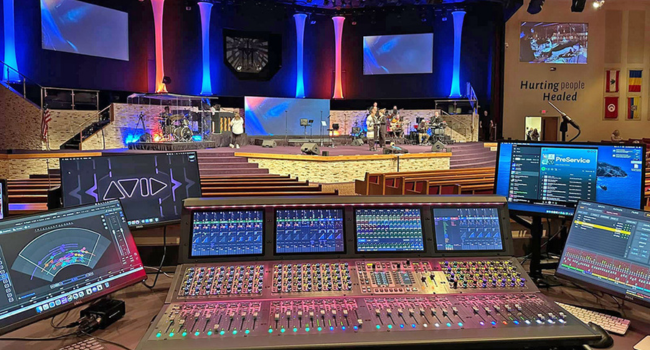
Worship Song Requests in Church: The Licensing & Planning Reality Congregants Need to Know. Imagine this scene. You walk out of a powerful Sunday service at a church. The worship set stirred your heart deeply. On the drive home, a song pops into your head. It is the one track you have been playing on repeat all week. It feels perfect for the next gathering. You send a quick message to the worship team leaders, requesting they sing that song in the next gathering.

Weeks pass. The song never appears.
It is easy to feel disappointed. Maybe even a little hurt. Worship music touches us personally, so when a request goes unanswered, it can seem like the team overlooked something meaningful. But behind the polished lights, in-ear monitors, and soaring vocals lies a world of careful planning, legal requirements, and practical realities. Understanding this world does not diminish the passion. It actually deepens our appreciation for the excellence and stewardship involved.
The Heart Behind the Request
Congregants suggest songs for good reasons. A particular lyric encouraged you during a hard season. A melody helped you connect with God in your car or home. You want the whole church family to experience that same breakthrough. That desire is beautiful and worth honouring. Worship is not a performance for the stage. It is a collective encounter with God, and every voice in the room matters.
Yet modern worship in mega churches operates differently from the hymn books and organ days of the past. The sound that moves thousands each weekend requires more than heartfelt enthusiasm. It demands preparation, resources, and alignment with the service theme. This is where the gap between request and reality appears.
The License That Makes Projection Possible
Every time lyrics appear on the big screens, the church steps into copyright territory. Christian Copyright Licensing International, better known as CCLI, provides the essential Church Copyright License that covers the most popular worship songs. This blanket permission allows churches to project lyrics, print them in bulletins, and make limited arrangements for congregational singing.
Without an active CCLI license, displaying “Oceans” or “The Blessing” on screen would technically violate copyright law. Churches report their usage so songwriters receive proper royalties. CCLI covers hundreds of thousands of songs from Hillsong, Elevation Worship, Bethel Music, and many others. It handles the legal side of sharing words with the congregation. But lyrics are only one piece of the puzzle.
The Approved Song Pool Most People Don’t Know About
Another key layer sits behind the scenes. Most large churches operate with a curated song pool approved by the worship pastor or leadership team.
This is a pre-selected list of songs that align with the church’s theology, culture, and musical direction. Before any song makes it onto a Sunday setlist, it has to be reviewed and added to this pool.
That means the worship team cannot simply pick any song they like, even during rehearsal or spontaneous moments. If a track has not been approved, it is off-limits for corporate worship.
This process protects doctrinal consistency, ensures quality, and keeps the worship experience unified across different services. It also explains why some popular or trending songs never make it into rotation.
Multitracks: The Engine Room of Professional Worship
Here is where many people feel surprised. Playing a song with excellence in a mega church often involves purchasing multitrack stems from platforms like MultiTracks.com. These are not simple backing tracks. They are the individual audio files for every instrument: drums, bass, electric guitars, keys, pads, and more. Worship teams also receive chord charts, rehearsal mixes, and click tracks to keep everyone perfectly in time.
Mega-churches invest in these resources because they deliver consistency and quality across multiple services. The band can rehearse with isolated parts. Missing musicians get filled in without sacrificing the full sound. The entire set flows smoothly with lights, video, and production elements synced to the music.
Each song the team wants to lead usually requires buying those stems. Prices vary, but churches pay per song or through subscription bundles. For churches that livestream, additional streaming licenses become necessary to legally include the recorded tracks in online broadcasts.
Not every popular Christian song appears in the MultiTracks catalogue. Some independent or older tracks lack the prepared stems. Even when available, adding a new song means the team must learn it, rehearse it thoroughly, and integrate it into the technical setup. This process takes time, often weeks.
At its core, worship music points us to Jesus, not to personal favourites. The same God who inspired that song on your playlist is present when the team leads “What a Beautiful Name” or whatever fits the morning. The unseen work, the licenses purchased, the hours rehearsed, all serve a greater purpose: helping every person in the room lift their voice together.
Next time you feel tempted to wonder why your request did not happen, remember the love poured into every detail. The worship team is not saying no to you. They are saying yes to stewarding the gift of music with excellence and care for the whole family of God.
And who knows? Your suggestion might become the next song that touches hundreds of hearts on a Sunday morning. Keep singing, keep suggesting, and keep worshipping with an understanding heart. The music may be planned, but the presence of God remains beautifully spontaneous.
About The Author







As a worship leader, this article is on the money. Church is a space where the broken hearted and the weary come to be comforted and where they receive the true gospel of Christ Jesus. But if only they knew that as much as we do not accommodate The Word to fit into their lives, we also dont orchestrate sets for their enjoyment. The worship leader has to construct a set in conjunction with the church song pool, be mindful of songs that are in high rotation (maybe new songs the church has recently started serving the house with) and we also consider the team we serve with per service and the level of experience they have and skill level to execute sets with excellence. Its a lot! So thank you Clive.