
Nathaniel Bassey Reportedly Rejects ₦1.4 Billion YouTube Revenue Linked To Hallelujah Challenge
Nathaniel Bassey Set To Drop New Single “O DARA” Ahead Of January Album Release
Nathaniel Bassey Reportedly Rejects ₦1.4 Billion YouTube Revenue Linked To Hallelujah Challenge. In a digital age where every view can become revenue, Nigerian gospel minister Nathaniel Bassey has made a quiet but powerful choice. Sources say he could have monetised his nightly Hallelujah Challenge sessions on YouTube and earned roughly ₦1.4 billion. Instead, his channel remains free of ads and branded content, offering uninterrupted worship to millions.

Reports say Nathaniel Bassey deliberately declined an estimated ₦1.4 billion in potential YouTube earnings, choosing not to place adverts or sponsorships on his Hallelujah Challenge streams. Supporters view the move as a principled stand to keep worship free from commercial influence.
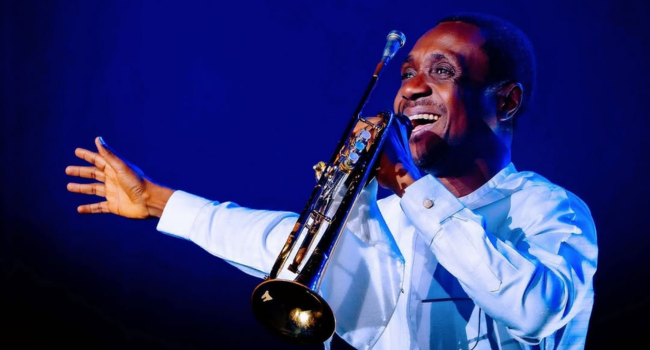
The Hallelujah Challenge began in 2017 and quickly turned into a nightly ritual for thousands around the world. Viewers gather for short but potent moments of praise, prayer and scripture, often led by Bassey with his signature trumpet and heartfelt vocals. The challenge’s simplicity is part of its charm and part of what made the potential ad revenue so large.
Many online worship events adopt commercial models to cover production costs and expand reach. Bassey’s approach is different. By foregoing platform monetisation, he has prioritised the spiritual atmosphere and the intimate feel of the gatherings. Followers say the absence of ads helps the broadcasts feel more like a sanctuary than a broadcast platform.
Observers and media analysts have weighed in on the trade-offs. Monetising the channel could have provided steady funding for ministry projects, community outreach and better production quality. On the other hand, introducing ads might change how the sessions are produced and what content is prioritised, which could alter the core experience for viewers.
Bassey’s choice also raises practical questions for faith leaders who use digital platforms. Should spiritual content be treated like any other media property, or does it require a different ethic? Can a ministry balance financial sustainability with maintaining a sacred tone online? Congregations and creators are still debating the best path forward.
For many viewers, the decision resonates beyond finance. It is seen as a reminder that some values are defended through restraint. Whether the ₦1.4 billion figure is exact or only a rough estimate, the message is clear: for Nathaniel Bassey, the integrity of the worship moment outweighs commercial opportunity.
Would you have made the same choice if ₦1.4 billion was on the line? Share your views in the comments.
About The Author