
Worship Songs Vs Praise Songs Vs Declaration Songs: Why What We Sing Matters?
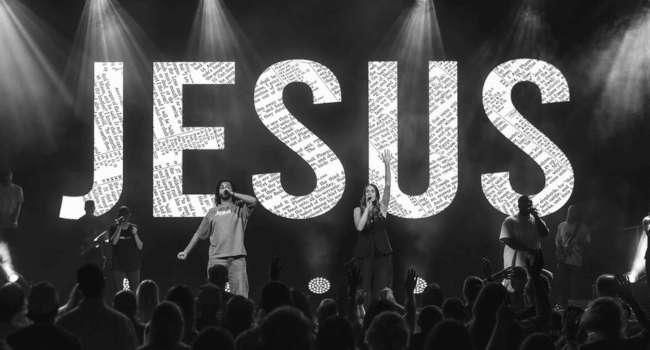
Worship Songs Vs Praise Songs Vs Declaration Songs: Why What We Sing Matters? Christian music carries far more than melody. Every Sunday, believers around the world gather to sing songs that celebrate God’s goodness, surrender to His presence, proclaim biblical truth and strengthen faith. While these songs all belong to the wider world of worship music, they can serve very different purposes. Understanding those differences helps us recognise what we are singing, why we are singing it and how each song shapes our response to God.

A song of praise is not necessarily a song of intimate worship. A declaration is not quite the same as adoration. While the lines can sometimes overlap, understanding the difference can help worshippers, songwriters and worship leaders become more intentional about what they are singing.
The question is not simply, “Is this a worship song?”
Perhaps we should also ask, “What is this song inviting us to do?”
Praise Songs: Celebrating What God Has Done
Praise turns our attention towards God’s greatness, His faithfulness and His mighty works. It is the joyful response of people who have something to say about God. Praise remembers. Praise celebrates. Praise testifies.
When we sing about God making a way, delivering His people, showing mercy or proving Himself faithful, we are giving voice to what He has done and who He has revealed Himself to be.
Songs such as How Great Is Our God, How Great Thou Art, Praise and Great Are You Lord carry this spirit in different ways. They lift the focus beyond ourselves and remind the church of the greatness of the God we serve.
Praise can be loud and energetic, involving celebration, movement and joyful participation. But its power is not found merely in volume or tempo.
True praise redirects our attention. It reminds us that before we bring our worries, fears and needs into the room, God is still God. He is still faithful. He is still worthy. Praise helps the church look up and fix the gaze on Jesus.
Worship Songs: Responding to Who God Is
If praise often celebrates God’s works, worship draws us into a more personal response to His presence and His nature. Worship is not simply about slower songs or softer music. A quiet melody does not automatically make a song worship, just as an energetic song should not automatically be labelled praise.
The deeper question is one of posture.
Worship songs often express adoration, surrender, dependence and devotion. They speak directly to God. The language becomes personal: You are worthy. I surrender. I need You. I give You my life. Songs such as None But Jesus, Here I Am to Worship, I Surrender and Better Is One Day reflect this kind of response. In these moments, the church is not only talking about God. It is responding to Him.
Worship invites us to lay down distractions and remember that Christianity is not merely about knowing information about God. It is about knowing Him.
Declaration Songs: Singing the Truth of God
Then there are songs of declaration. These songs often take biblical truth and place it on the lips of the congregation as a confession of faith. Rather than only describing God or directly adoring Him, declaration songs boldly proclaim what God has said, who He is and what that truth means for His people.
The language may sound like:
I am who You say I am – John 1:12- 13.
We are children of God – 1 John 3:1.
God is fighting for us Deuteronomy 1:30.
Songs such as Who You Say I Am, No Longer Slaves, The Blessing and Way Maker contain strong declarative elements, even though many Christian songs can move between praise, worship and declaration.
Declaration can be a powerful way for the church to collectively confess truth. But biblical declaration is not about speaking whatever we want into existence. Christian declaration must remain rooted in what God has revealed.
The Problem Comes When We Treat Every Song the Same
One of the challenges in modern worship culture is the tendency to place every Christian song into one broad category without considering its purpose.
Not every song is designed to lead people into intimate adoration. Not every song is meant to celebrate. Not every song is meant to function as a corporate confession of faith. And that is not a weakness. It is part of the beauty of Christian music.
The Psalms themselves give us songs of celebration, lament, thanksgiving, confession, longing, remembrance and proclamation. Scripture gives believers a much wider vocabulary than simply happy songs or slow songs.
There are moments to rejoice over what God has done. There are moments to fall before Him in surrender. There are moments to stand together and proclaim the truth of His Word. The issue is not whether one expression is better than another. The issue is whether we understand what we are doing.
Praise reminds us of what God has done. Worship draws us into adoration of who He is. Declaration helps us confess and stand upon what He has said. Together, they give the church a fuller language of faith. We celebrate. We surrender. We proclaim. And in all three, the focus should ultimately return to Jesus.
Above all, Christian music is not simply about singing the right words or creating the right atmosphere. It is about allowing what we sing to shape what we believe, how we respond to God and how we live beyond the church service.
About The Author