‘We Don’t Live for Ourselves’: John Wild Challenges Christians On True Worship

‘We Don’t Live for Ourselves’: John Wild Challenges Christians On True Worship. John Wild has challenged Christians to look beyond the polished image of worship often presented on social media, arguing that genuine worship is measured not by how impressive it looks, but by the condition of the heart and a willingness to obey God.
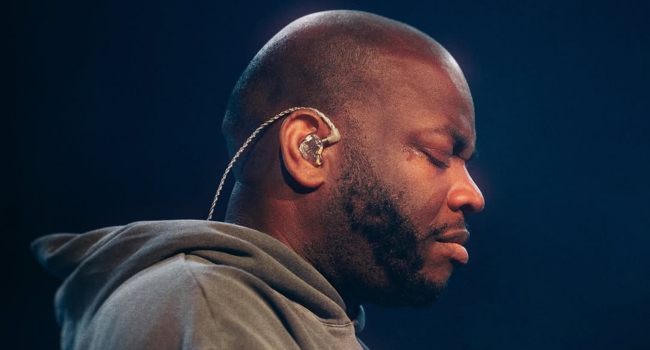
The worship leader, who has a growing catalogue of worship songs to his name, shared the reflections while speaking about the difference between worship that looks appealing and worship that carries a real cost.
“Worship is sometimes more cool than it is costly,” Wild said, pointing to the way social media can amplify the highlight reels of Christian life while leaving out the sacrifice, surrender and obedience that often happen away from the spotlight.
According to Wild, modern Christian culture can too easily reduce worship to a Sunday morning experience or associate it primarily with music. While he acknowledged music as an important tool for expressing worship, he stressed that songs alone cannot replace a heart that is surrendered to God.
“Music obviously is a tool that we can use to worship the Lord, but the music doesn’t matter if the heart is not right,” he said.
Wild went further, challenging the idea that God automatically accepts every act labelled as worship. Drawing from the biblical principle that obedience is better than sacrifice, he argued that true worship involves responding to what God is asking of His people.
“He doesn’t receive all worship. He just doesn’t. He receives proper worship,” Wild said.
For the worship leader, proper worship is ultimately connected to obedience. A person can bring offerings, songs and outward expressions of devotion, but if those things are disconnected from obedience to God, they miss the heart of worship.
His remarks also challenged the increasingly popular idea that Christian freedom means believers can simply live however they want.
“We don’t live for ourselves. We’re living for Him,” Wild said.
Wild emphasised that becoming a Christian does not eliminate the need for sacrifice. Instead, he described surrender as a daily decision, pointing to Romans 12:1 and its call for believers to present their bodies as “living sacrifices.”
Rather than viewing sacrifice as a one-time act that happens when someone first comes to faith, Wild described it as an ongoing posture of surrender.
“Every single day I have to decide to get on the altar,” he said.
He acknowledged that the language of giving God everything can initially sound demanding, particularly in a culture that places a strong emphasis on personal freedom and self-expression. However, Wild framed the sacrifice of worship as a response to God’s own generosity.
“Yes, you do,” he said when addressing the call to give God everything. “But it’s your response to Him giving you everything.”
Wild’s message ultimately presents worship as far bigger than a song, a stage or a Sunday service. For him, worship is reflected in everyday obedience, surrender and the willingness to place one’s life before God, even when there is no audience watching.
His challenge to believers is simple but weighty: worship is not merely about what is lifted from the lips, but what is surrendered through the life.
About The Author